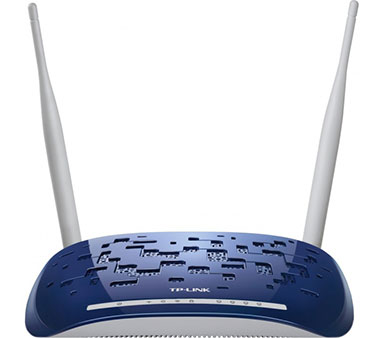
Router
Router (ADSL/DSL)
Convenience :–
The wireless nature of such networks allows users to access network resources from nearly any convenient location within their primary networking environment (a home / office/ industry/ school/bank/institute/ coffee shop) With the increasing saturation of laptop-style computers, this is particularly relevant.
Mobility :–
With the emergence of public wireless networks, users can access the internet even outside their normal work environment. Most chain coffee shops, for example, offer their customers a wireless connection to the internet at little or no cost.
Deployment :–
Initial setup of an infrastructure-based wireless network requires little more than a single access point. Wired networks, on the other hand, have the additional cost and complexity of actual physical cables being run to numerous locations (which can even be impossible for hard-to-reach locations within a building).
Expandability –:
Wireless networks can serve a suddenly-increased number of clients with the existing equipment. In a wired network, additional clients would require additional wiring.